A lion, a hymn-writer and the founder of the Salvation Army: reading Abney Park's monuments
Abney Park opened in 1840 as a cemetery and arboretum open to dissenters and anyone else. Its stones are a short course in Victorian London, if you take the Trust's route.
By Elizabeth Cole · · 2 min read
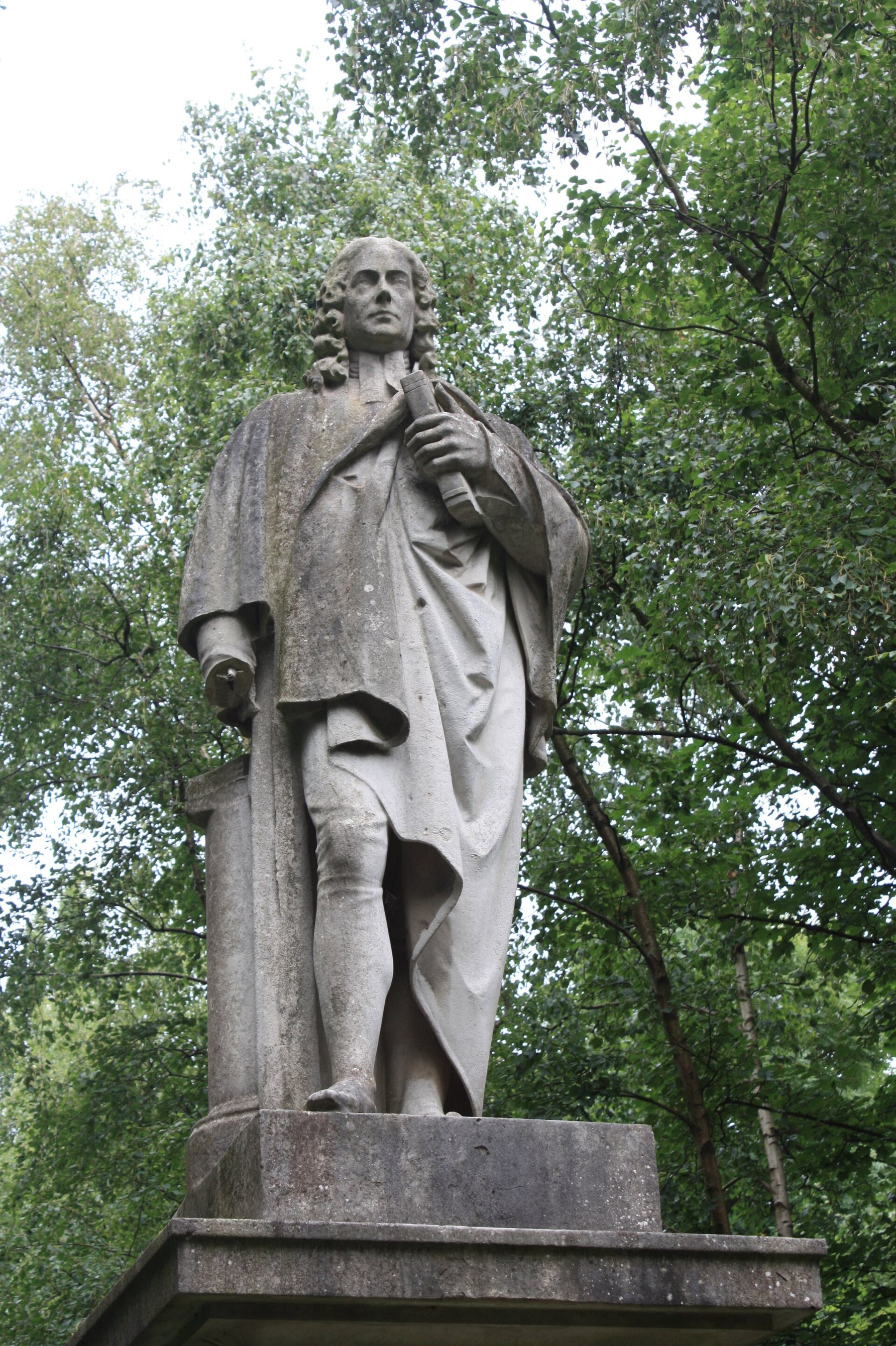
Abney Park opened in 1840, one of the seven big commercial cemeteries, later nicknamed the Magnificent Seven, built around London as the city's churchyards filled up. It was built on the grounds of Fleetwood House and Abney House, where the hymn-writer Isaac Watts had lived with Sir Thomas and Lady Mary Abney for 36 years. That connection made it the burial ground of choice for dissenters, and it was open to anyone, whatever they believed.
It was also a garden. Its arboretum held 2,500 trees and shrubs, from Acer to Zanthoxylum, the American toothache tree, plus about a thousand varieties of rose.
You can come in through Egyptian-style gates by William Hosking, whose hieroglyphs Historic England credits to the advice of the Egyptologist Joseph Bonomi. Hosking also designed the chapel, whose first stone went down on 20 May 1840. The Trust calls it the oldest surviving non-denominational chapel in Europe. Its spire is 120 feet high.
In front of it stands Watts himself, put up in 1845 by public subscription and sculpted by Edward Hodges Baily, the man who carved the Nelson on top of Nelson's Column. Watts died in 1748, after 36 years as the Abneys' guest; the statue went up nearly a century later.
The monuments that follow are a mixed congregation. Frank Bostock, "the animal king", a menagerist who had more than a thousand animals in his shows when he died in 1912, lies under a life-size lion. His funeral flowers filled five carriages. PC William Tyler, shot on 23 January 1909 in the chase known as the Tottenham Outrage, is here, and so is Ralph Jocelyn, the ten-year-old boy killed in the same incident. Joanna Vassa, daughter of the abolitionist writer Olaudah Equiano, has a monument that was restored in 2016. Eric Walrond, the Harlem Renaissance writer of Tropic Death, lies in an unmarked grave.
The cemetery company went bankrupt in 1979 and Hackney Council bought the whole site, chapel and all, for £1. Nature took over for a while, which is why the place looks the way it does. After a lottery-funded restoration, Historic England took it off its At Risk register in 2024.
The Trust's first self-guided route ends at William Booth, founder of the Salvation Army, who died in 1912 and is buried near the Church Street gate. It is the obvious way out.
Sources
More in Arts
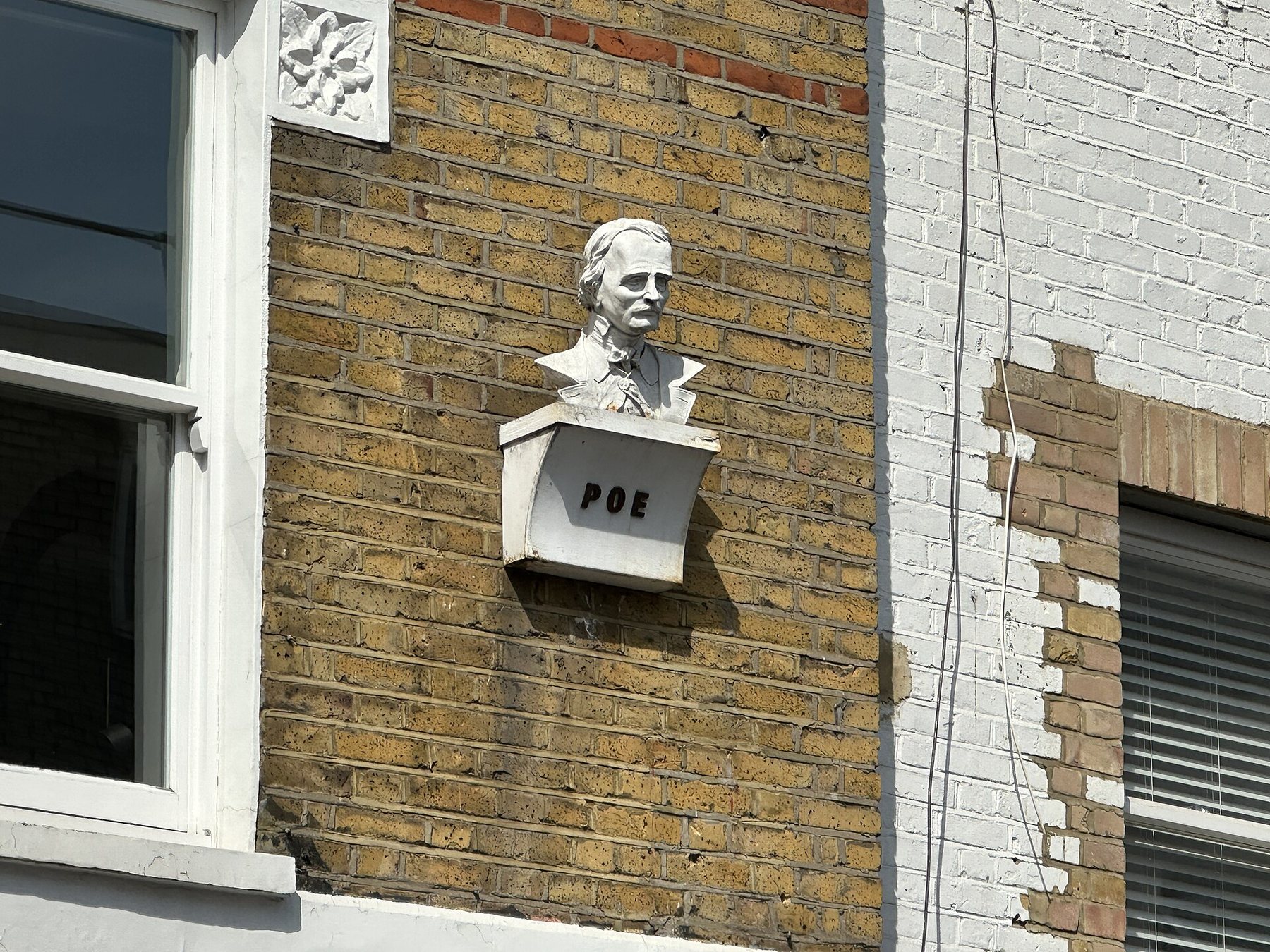
Image: Matt Brown, CC BY 2.0, via Wikimedia Commons
Edgar Allan Poe learned to dance on Church Street. Then he put his headmaster in a story
From 1818 to 1820 a boy registered as Edgar Allan boarded at the Reverend John Bransby's Manor House School. Two decades later Poe put the village, the church and his headmaster into a story about a man haunted by his double.
28 November 2026
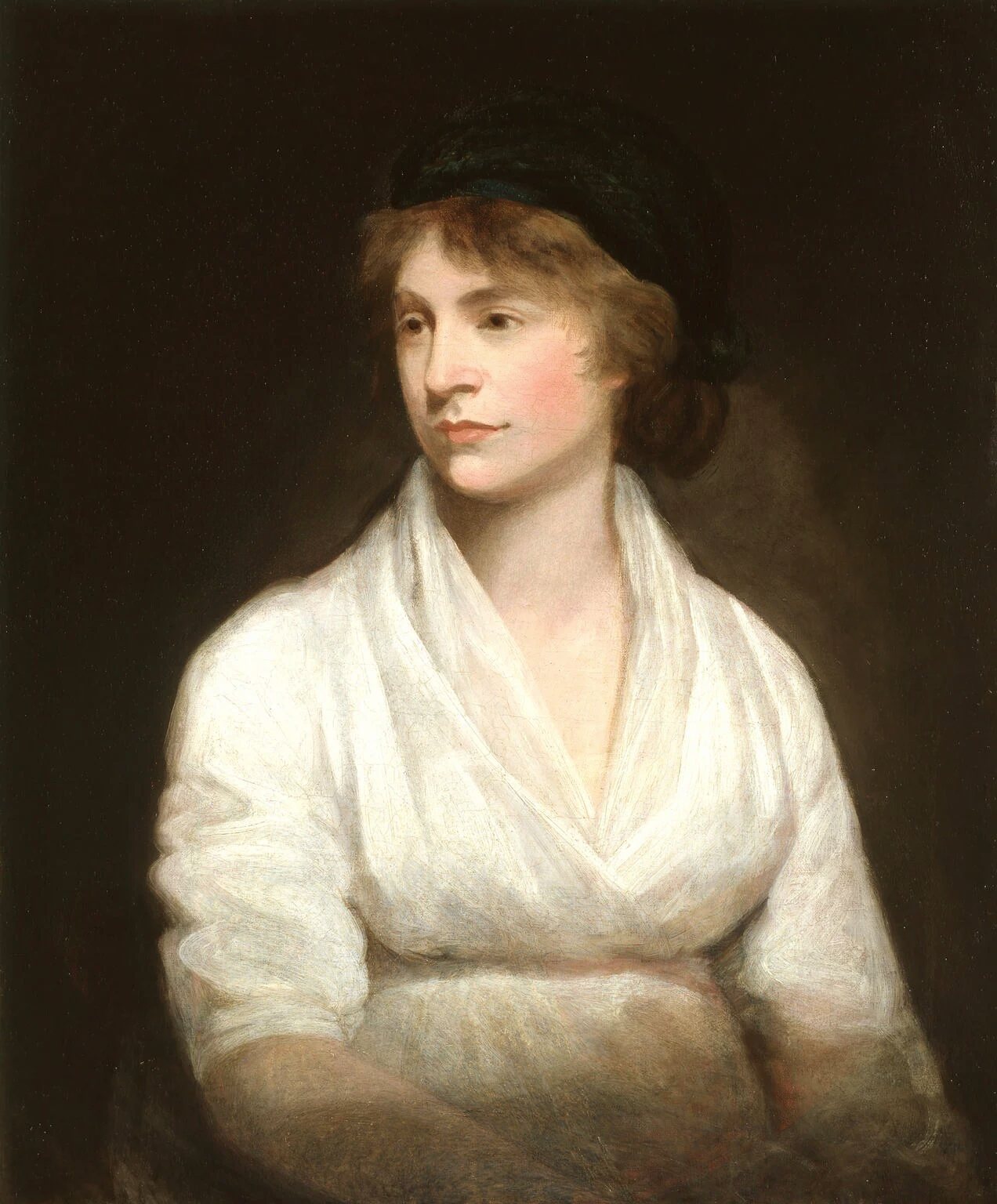
Image: John Opie, c. 1797, National Portrait Gallery (public domain), via Wikimedia Commons
Mary Wollstonecraft ran a school on Newington Green. The green has been arguing about her ever since
In 1784 she opened a girls' school here and found a mentor in Richard Price at the Meeting House. In 2020 Maggi Hambling's sculpture arrived on the green, and with it a row.
28 November 2026
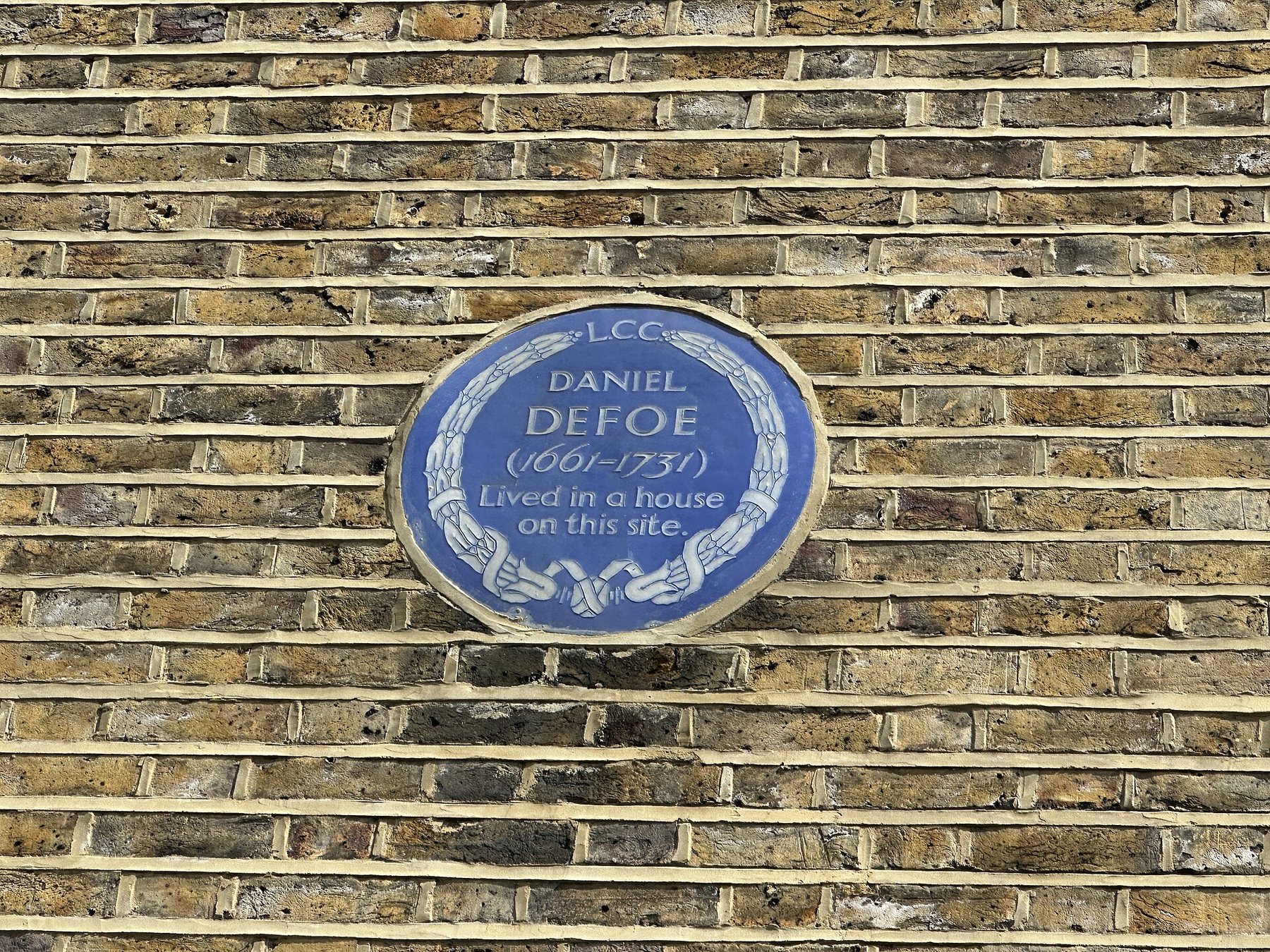
Image: Matt Brown, CC BY 2.0, via Wikimedia Commons
Daniel Defoe built a house with a great many doors on Church Street. Then he wrote Robinson Crusoe
Defoe lived in Stoke Newington for about twenty years. His house was pulled down in the 1860s and its garden became Defoe Road. A 1932 plaque on no. 95 is what remains.
28 November 2026