Mary Wollstonecraft ran a school on Newington Green. The green has been arguing about her ever since
In 1784 she opened a girls' school here and found a mentor in Richard Price at the Meeting House. In 2020 Maggi Hambling's sculpture arrived on the green, and with it a row.
By Elizabeth Cole · · 2 min read
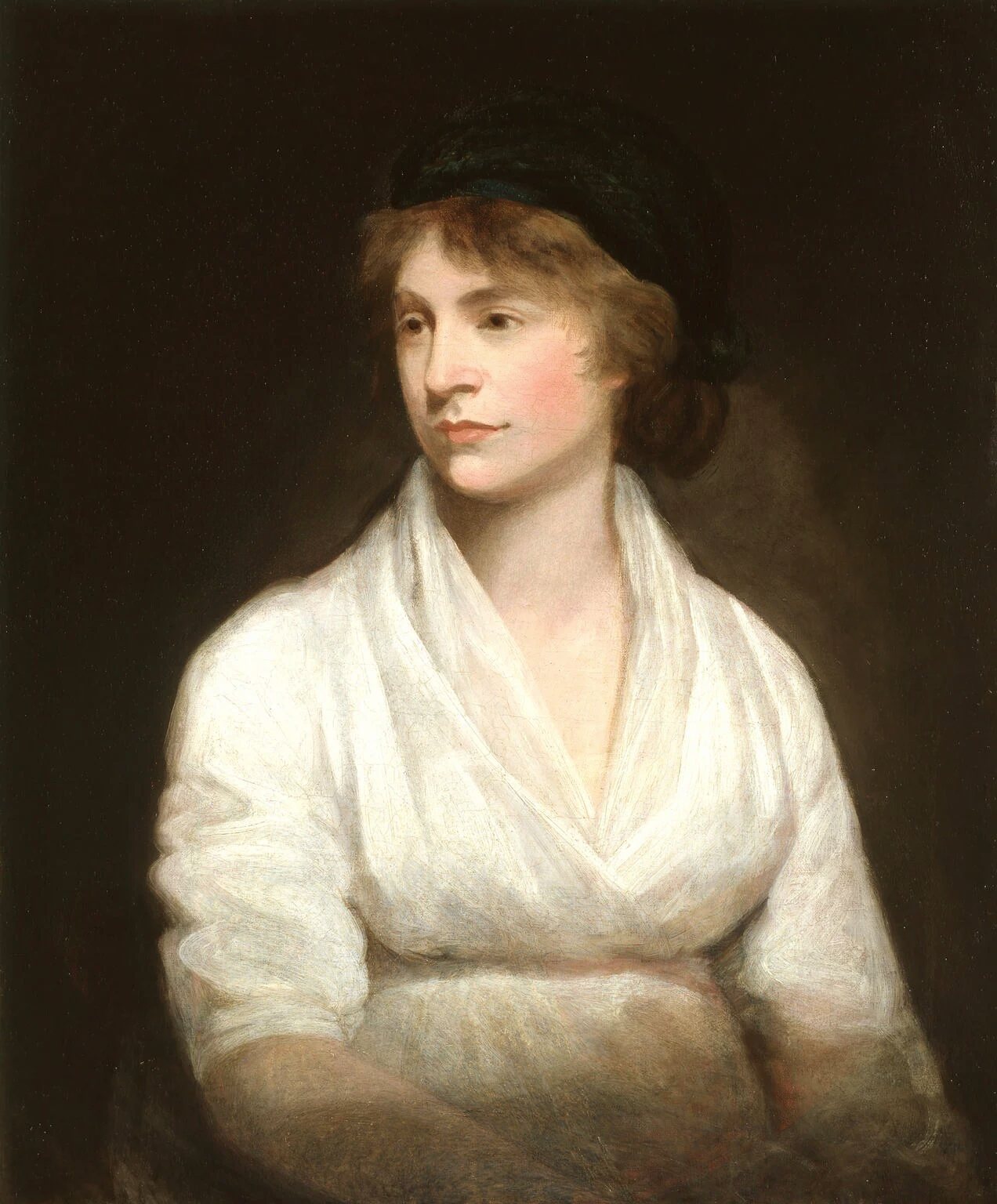
Newington Green was a dissenters' village long before it was a roundabout. The Meeting House on the north side was built in 1708 for a congregation that rejected the Church of England and, as a result, could not hold civil office or go to university. By the 1780s its preacher was Richard Price, philosopher, mathematician and correspondent of Benjamin Franklin, Joseph Priestley and the prison reformer John Howard. The Meeting House lists one more friend: Mary Wollstonecraft.
She arrived in 1784, at 25, and set up a girls' school on the green. The school lasted about two years. Its most lasting education was hers. Price's circle took her seriously at a time when very few people did, and the arguments she heard on the green fed directly into A Vindication of the Rights of Woman, published in 1792. She died in 1797, aged 38, shortly after giving birth to her daughter, the future Mary Shelley. Her enemies then spent years using her private life to bury her ideas. The writer Bee Rowlatt told the Guardian that her reputation was "annihilated" by misogyny, and that she "basically vanished for the best part of a century".
Rowlatt led the Mary on the Green campaign, which spent ten years raising £143,000 for a memorial. The result, by Maggi Hambling, was unveiled on 10 November 2020: a small, silvered, naked figure rising out of a swirling mass of female forms. The Guardian called her a "silvery naked everywoman". Plenty of other people called her other things, many of them in print, within a day of the unveiling.
"It will definitely start a conversation."
Bee Rowlatt, to the Guardian, November 2020
That was, if anything, an understatement. It was also the point. Hambling said the work, cast in silvered bronze, "encourages a visual conversation with the obstacles Wollstonecraft overcame", which is one way of describing a monument that still gets argued about at the bus stop.
The Meeting House, where she heard Price preach, is open to drop-in visitors on Thursdays and Fridays from noon to 6pm, at 39a Newington Green. Sunday gatherings run from 11am to 1pm.
Since July, Wollstonecraft's name has also been over the door of a pub, the Mary Wollstonecraft, in what used to be Ryan's Bar. It took the sculpture ten years of fundraising to arrive. The pub managed it in one summer.
Sources
More in Arts
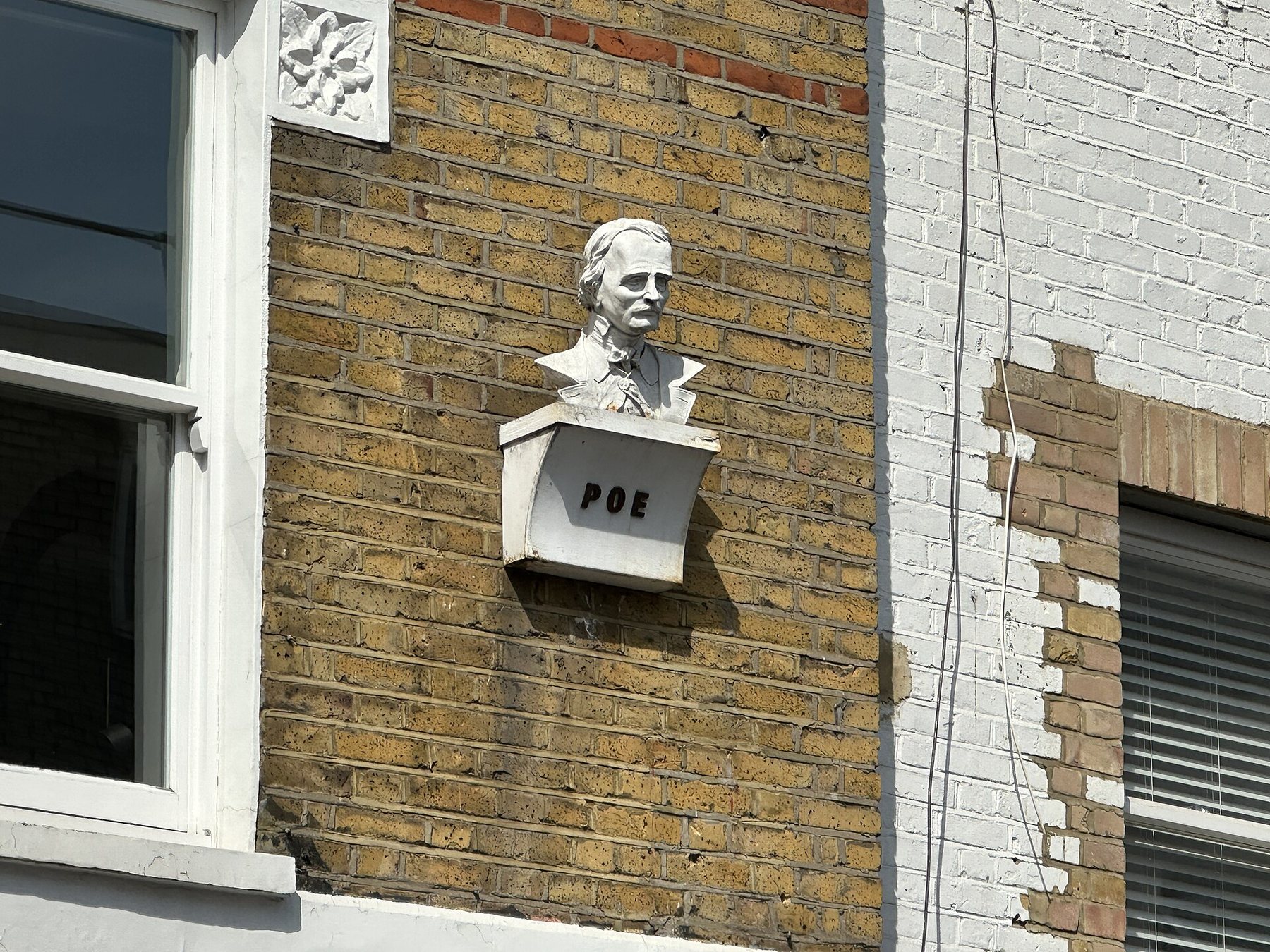
Image: Matt Brown, CC BY 2.0, via Wikimedia Commons
Edgar Allan Poe learned to dance on Church Street. Then he put his headmaster in a story
From 1818 to 1820 a boy registered as Edgar Allan boarded at the Reverend John Bransby's Manor House School. Two decades later Poe put the village, the church and his headmaster into a story about a man haunted by his double.
28 November 2026
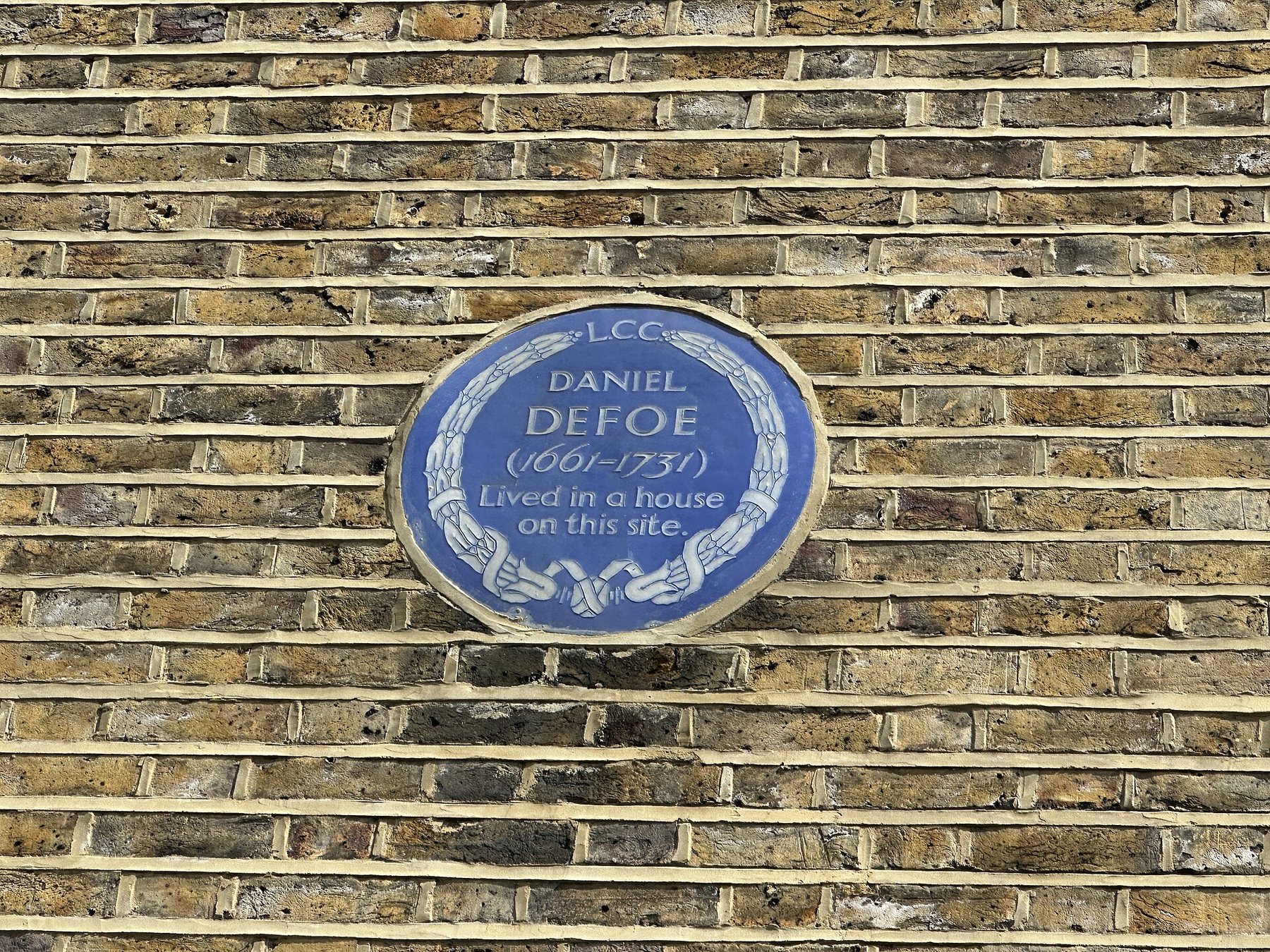
Image: Matt Brown, CC BY 2.0, via Wikimedia Commons
Daniel Defoe built a house with a great many doors on Church Street. Then he wrote Robinson Crusoe
Defoe lived in Stoke Newington for about twenty years. His house was pulled down in the 1860s and its garden became Defoe Road. A 1932 plaque on no. 95 is what remains.
28 November 2026
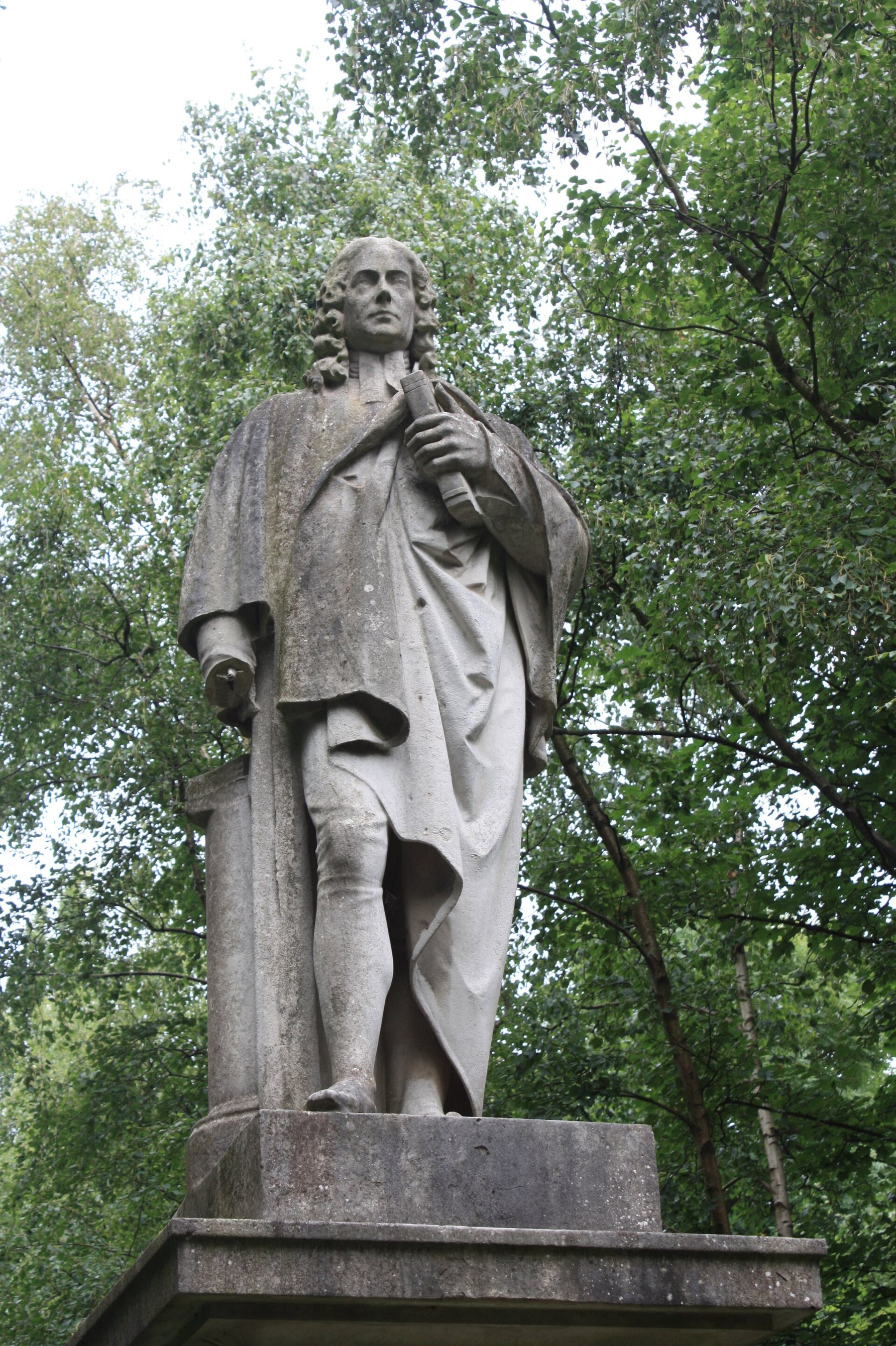
Image: Stephencdickson, CC BY-SA 4.0, via Wikimedia Commons
A lion, a hymn-writer and the founder of the Salvation Army: reading Abney Park's monuments
Abney Park opened in 1840 as a cemetery and arboretum open to dissenters and anyone else. Its stones are a short course in Victorian London, if you take the Trust's route.
28 November 2026