Anna Laetitia Barbauld told Britain it was finished. Britain did not take it well
The poet lived at 113 Church Street from 1802 until her death in 1825. Her brother lived opposite. There she wrote Eighteen Hundred and Eleven, the poem that ended her public career and, two centuries later, rescued her reputation.
By Elizabeth Cole · · 2 min read
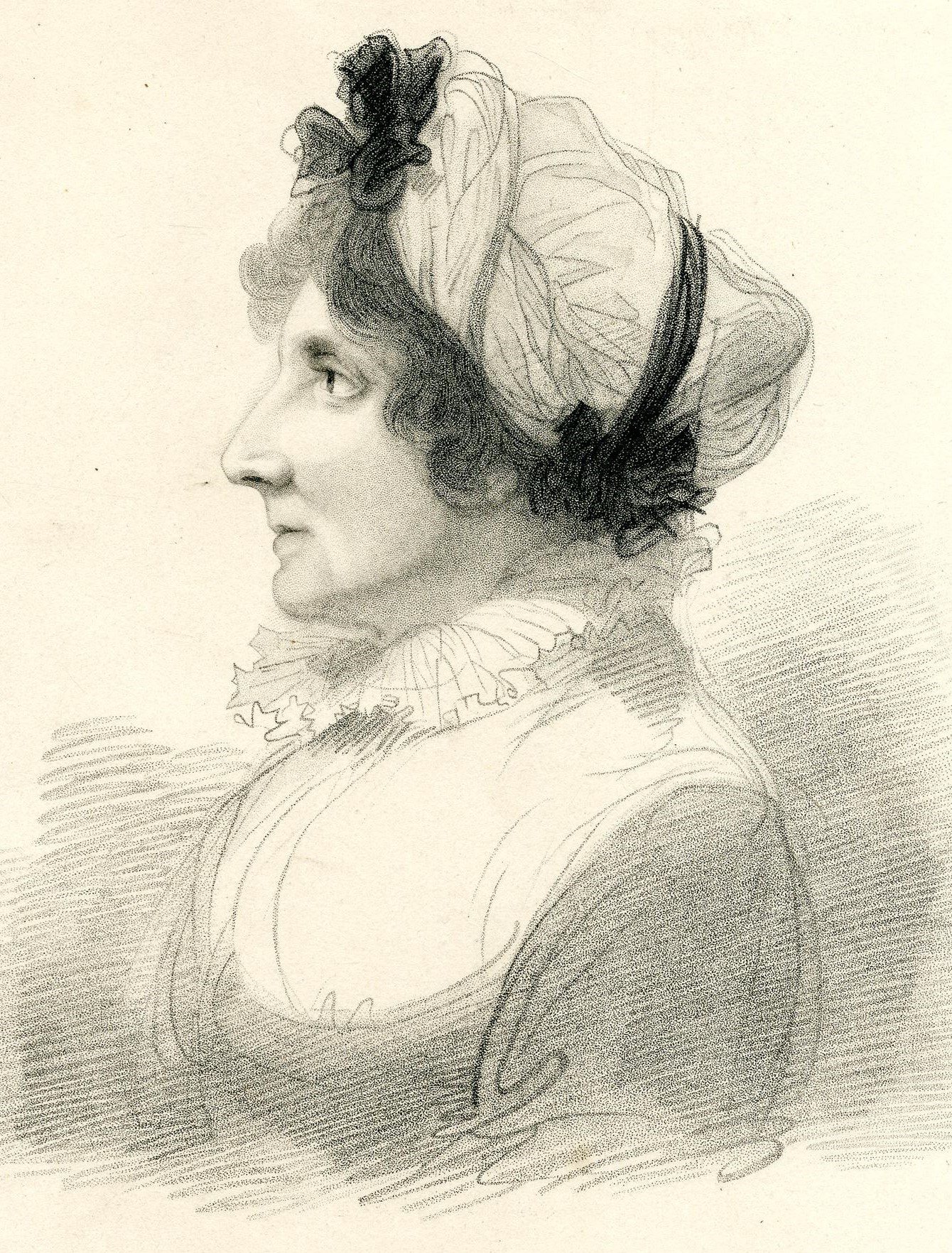
In 1802 Anna Laetitia Barbauld and her husband, the Reverend Rochemont Barbauld, moved to 113 Church Street, and he took over the pulpit at the chapel on Newington Green. Across the road, in a three-storeyed house his daughter called "the white house at Newington", lived her brother, the writer John Aikin. The Victoria County History says many writers visited the two houses. Church Street had a literary salon on each side of the road.
Barbauld was already famous, and for something that was easy to underrate. Her Lessons for Children (1778–79) and Hymns in Prose for Children (1781) were printed in large type with wide margins, at her insistence, and written as conversations between parent and child. They taught several generations to read. Not everyone was grateful. In October 1802, months after she moved in, Charles Lamb complained to Coleridge that "Mrs. Barbauld's stuff has banished all the old classics of the nursery".
The house was not a happy one. Rochemont's mind was failing, and he became violent towards her; one account has him chasing her round the dinner table with a knife until she escaped through a window. She would not leave him. In 1808 he drowned himself in the New River.
When she wrote again, she wrote Eighteen Hundred and Eleven. Published in 1812, after a decade of war with France, it imagined Britain as a ruin, its wealth and fame passing to America:
"So sing thy flatterers; but, Britain, know, Thou who hast shared the guilt must share the woe."
Anna Laetitia Barbauld, Eighteen Hundred and Eleven (1812)
The reviews, in one scholar's summary, ranged "from cautious to patronizingly negative to outrageously abusive". She kept writing but stopped publishing poetry. For the rest of the century she was remembered, when at all, as a children's writer. Recent criticism treats the poem as her best work, and E. J. Clery's 2017 study argues that it helped shift government policy on trade blockades, which changed in 1812.
Barbauld died at Church Street in March 1825 and was buried in the family vault at St Mary's. No. 113 is still standing, with a plaque. Charles Lamb, who wanted her banished from the nursery, wrote that letter a few months after she moved in. She stayed for 23 years.
Sources
More in Arts
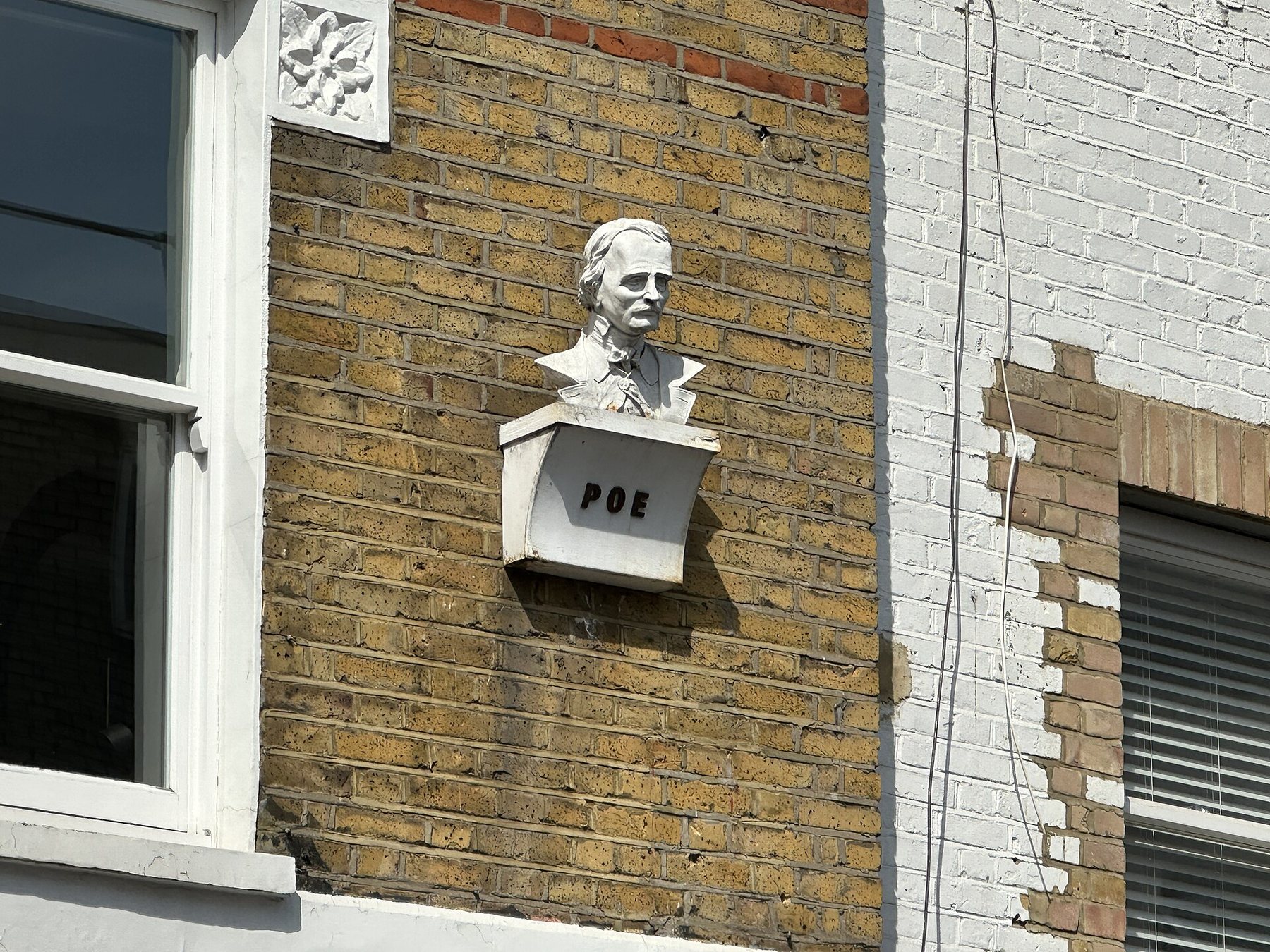
Image: Matt Brown, CC BY 2.0, via Wikimedia Commons
Edgar Allan Poe learned to dance on Church Street. Then he put his headmaster in a story
From 1818 to 1820 a boy registered as Edgar Allan boarded at the Reverend John Bransby's Manor House School. Two decades later Poe put the village, the church and his headmaster into a story about a man haunted by his double.
28 November 2026
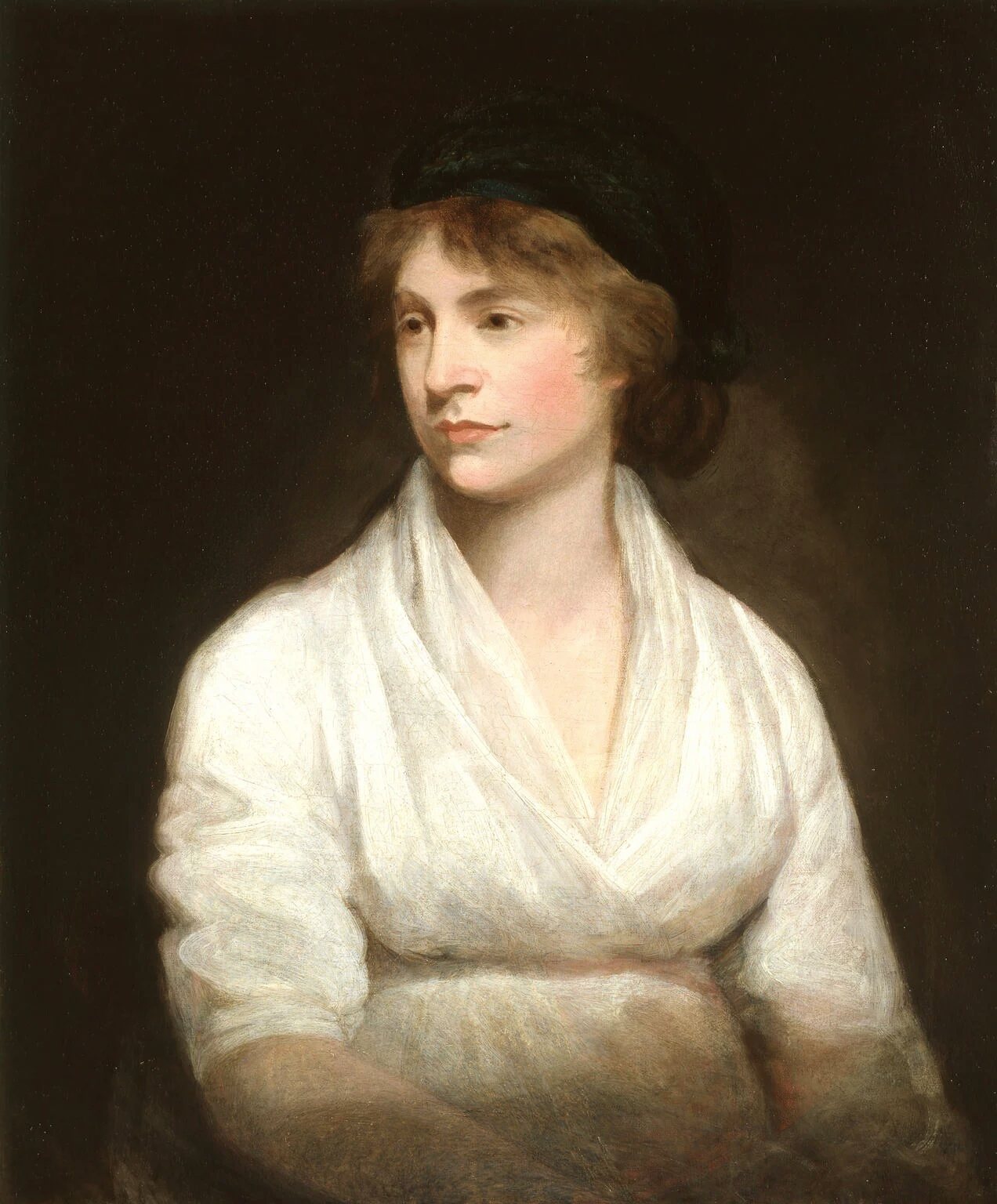
Image: John Opie, c. 1797, National Portrait Gallery (public domain), via Wikimedia Commons
Mary Wollstonecraft ran a school on Newington Green. The green has been arguing about her ever since
In 1784 she opened a girls' school here and found a mentor in Richard Price at the Meeting House. In 2020 Maggi Hambling's sculpture arrived on the green, and with it a row.
28 November 2026
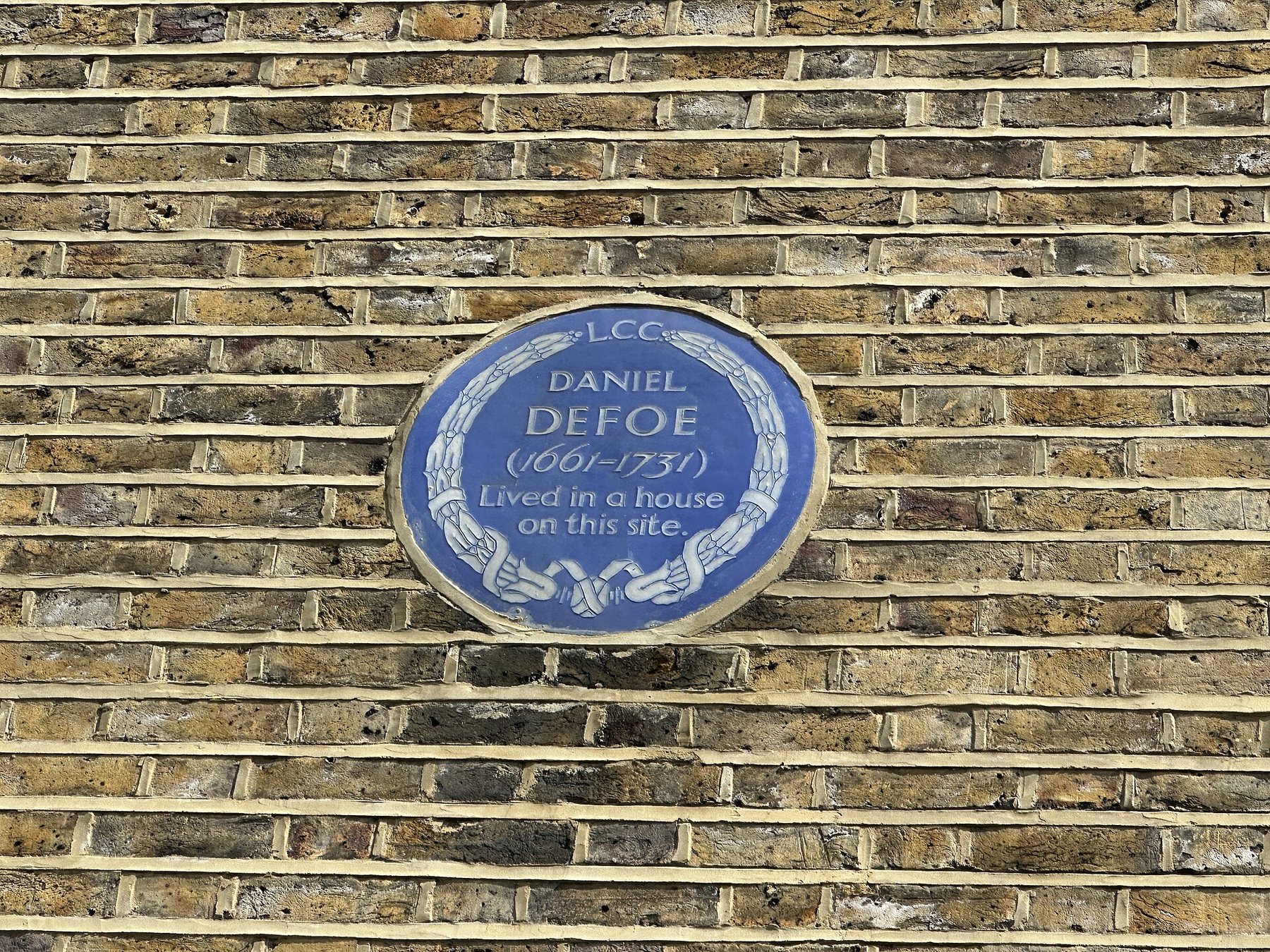
Image: Matt Brown, CC BY 2.0, via Wikimedia Commons
Daniel Defoe built a house with a great many doors on Church Street. Then he wrote Robinson Crusoe
Defoe lived in Stoke Newington for about twenty years. His house was pulled down in the 1860s and its garden became Defoe Road. A 1932 plaque on no. 95 is what remains.
28 November 2026