History — latest stories
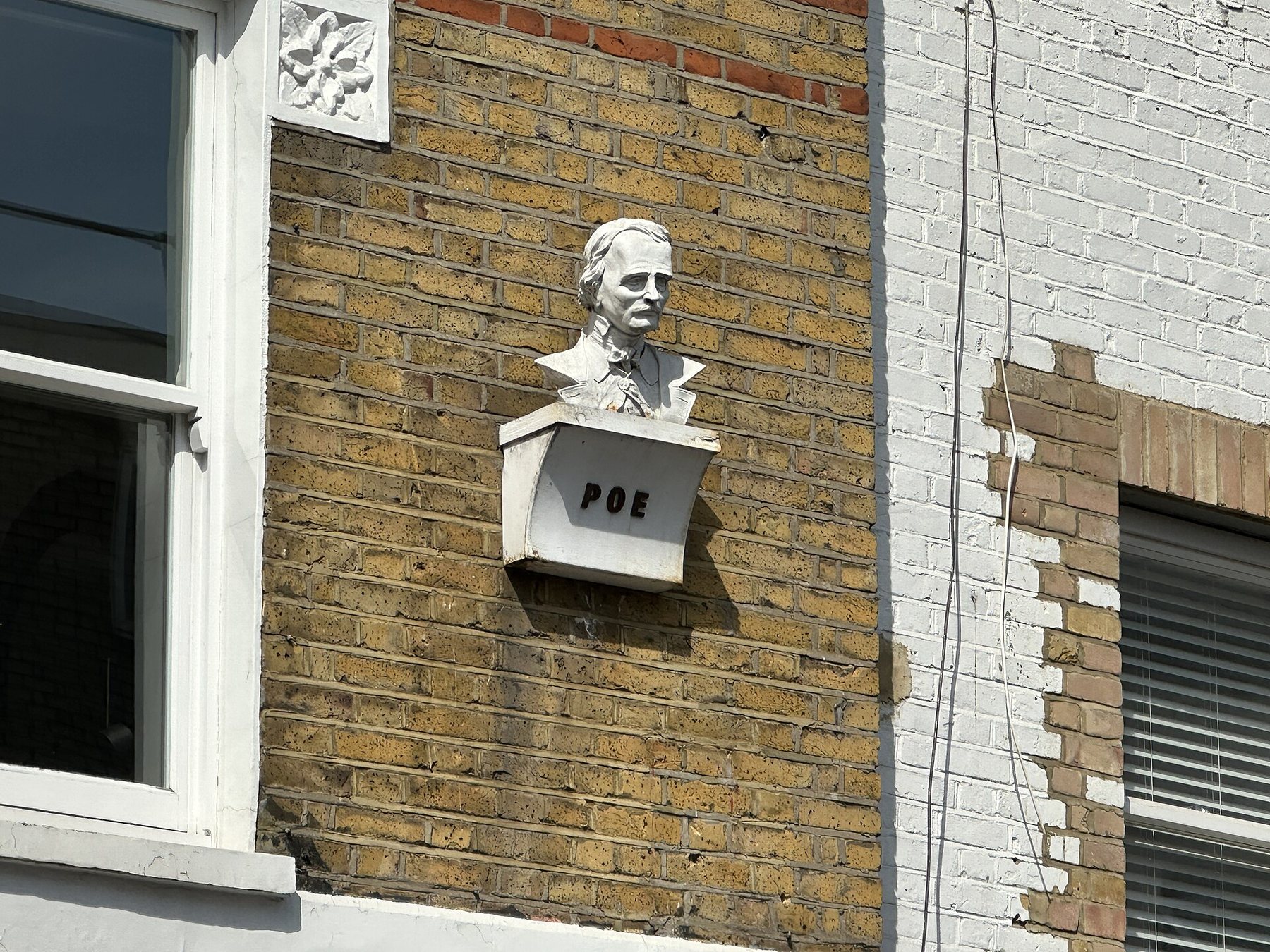 Photo: Matt Brown, CC BY 2.0, via Wikimedia Commons
Edgar Allan Poe learned to dance on Church Street. Then he put his headmaster in a story
From 1818 to 1820 a boy registered as Edgar Allan boarded at the Reverend John Bransby's Manor House School. Two decades later Poe put the village, the church and his headmaster into a story about a man haunted by his double.
By Elizabeth Cole28 Nov2 min read
Read the story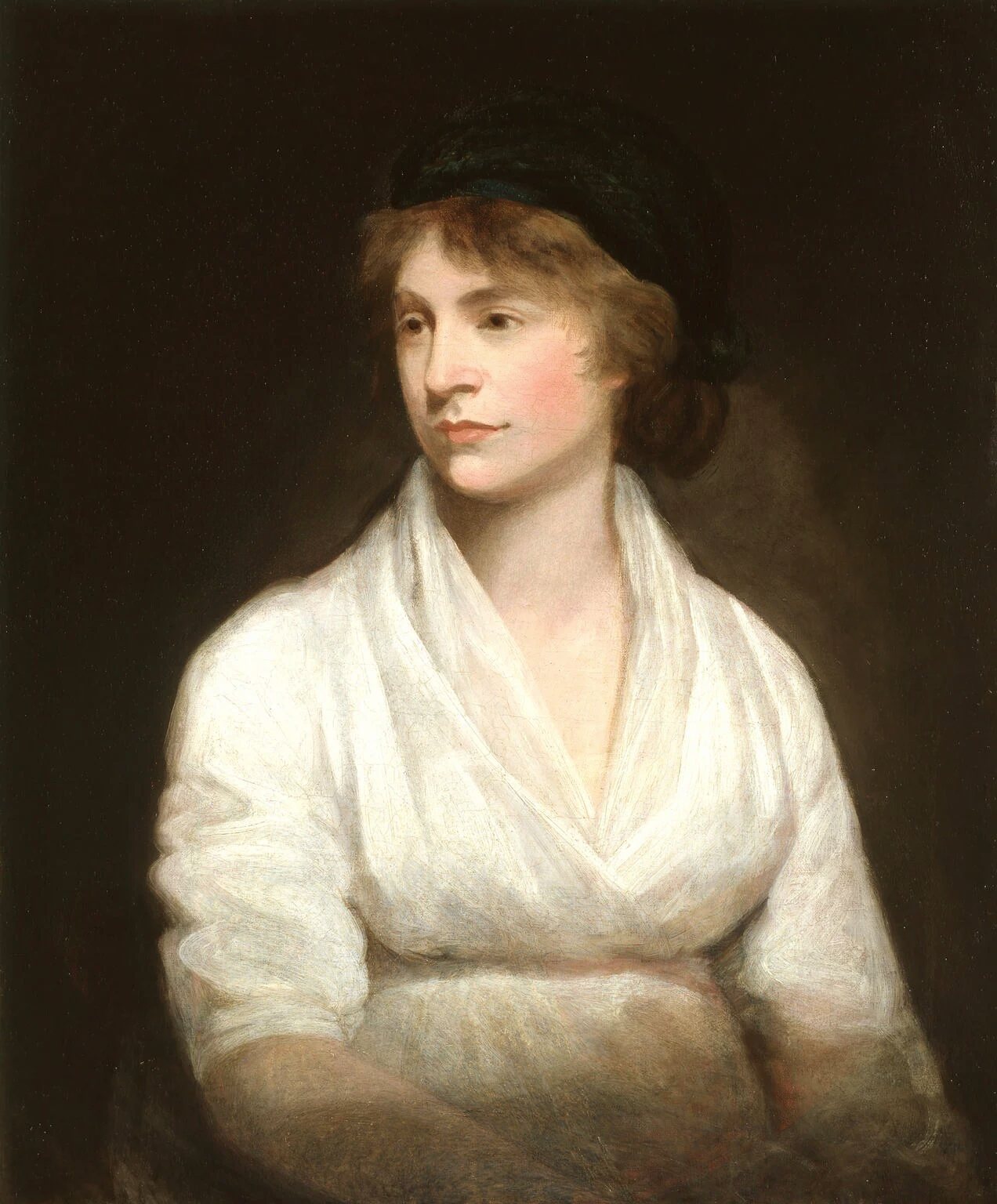 Photo: John Opie, c. 1797, National Portrait Gallery (public domain), via Wikimedia Commons
Mary Wollstonecraft ran a school on Newington Green. The green has been arguing about her ever since
In 1784 she opened a girls' school here and found a mentor in Richard Price at the Meeting House. In 2020 Maggi Hambling's sculpture arrived on the green, and with it a row.
By Elizabeth Cole28 Nov2 min read
Read the story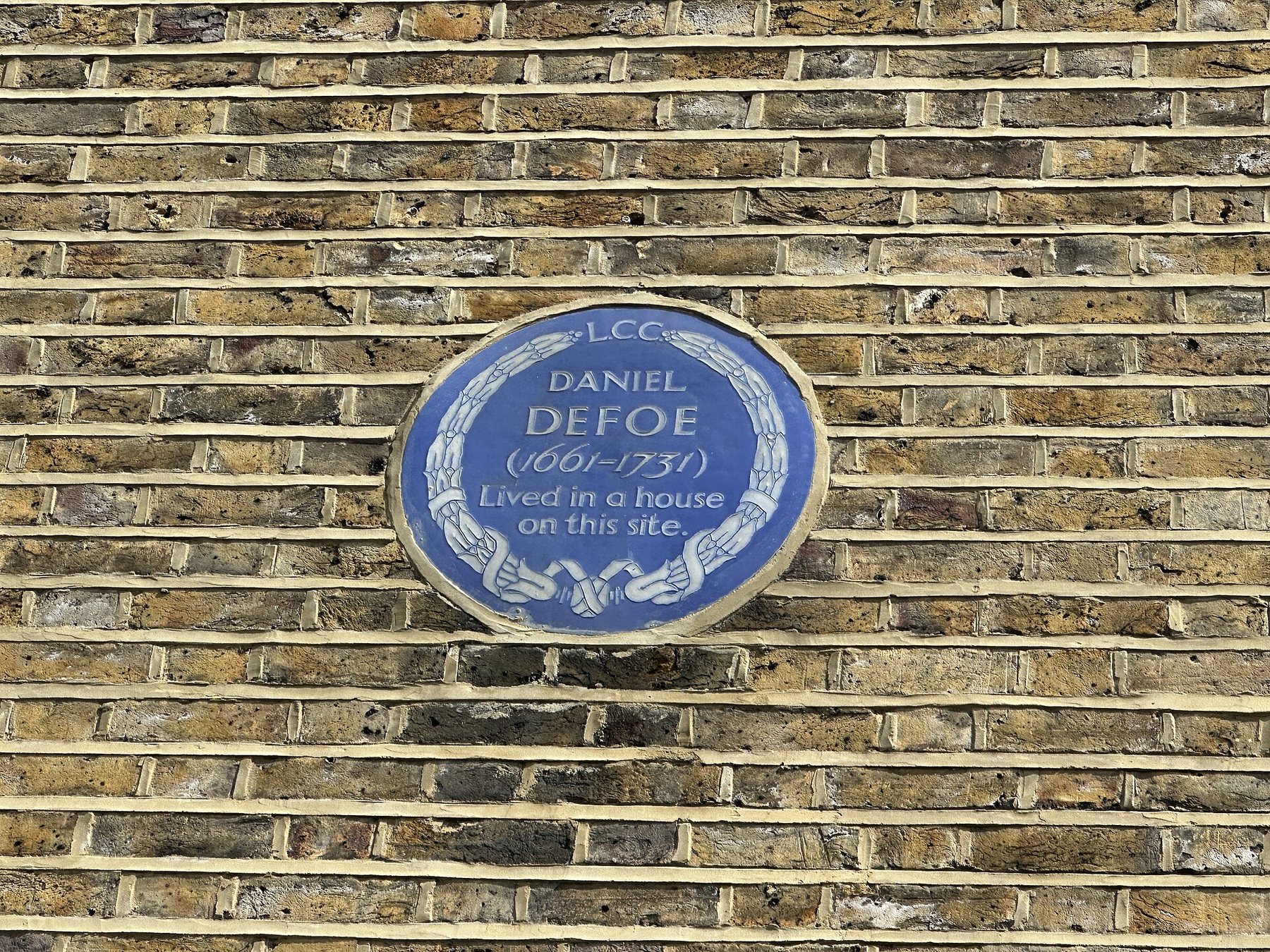 Photo: Matt Brown, CC BY 2.0, via Wikimedia Commons
Daniel Defoe built a house with a great many doors on Church Street. Then he wrote Robinson Crusoe
Defoe lived in Stoke Newington for about twenty years. His house was pulled down in the 1860s and its garden became Defoe Road. A 1932 plaque on no. 95 is what remains.
By Elizabeth Cole28 Nov2 min read
Read the story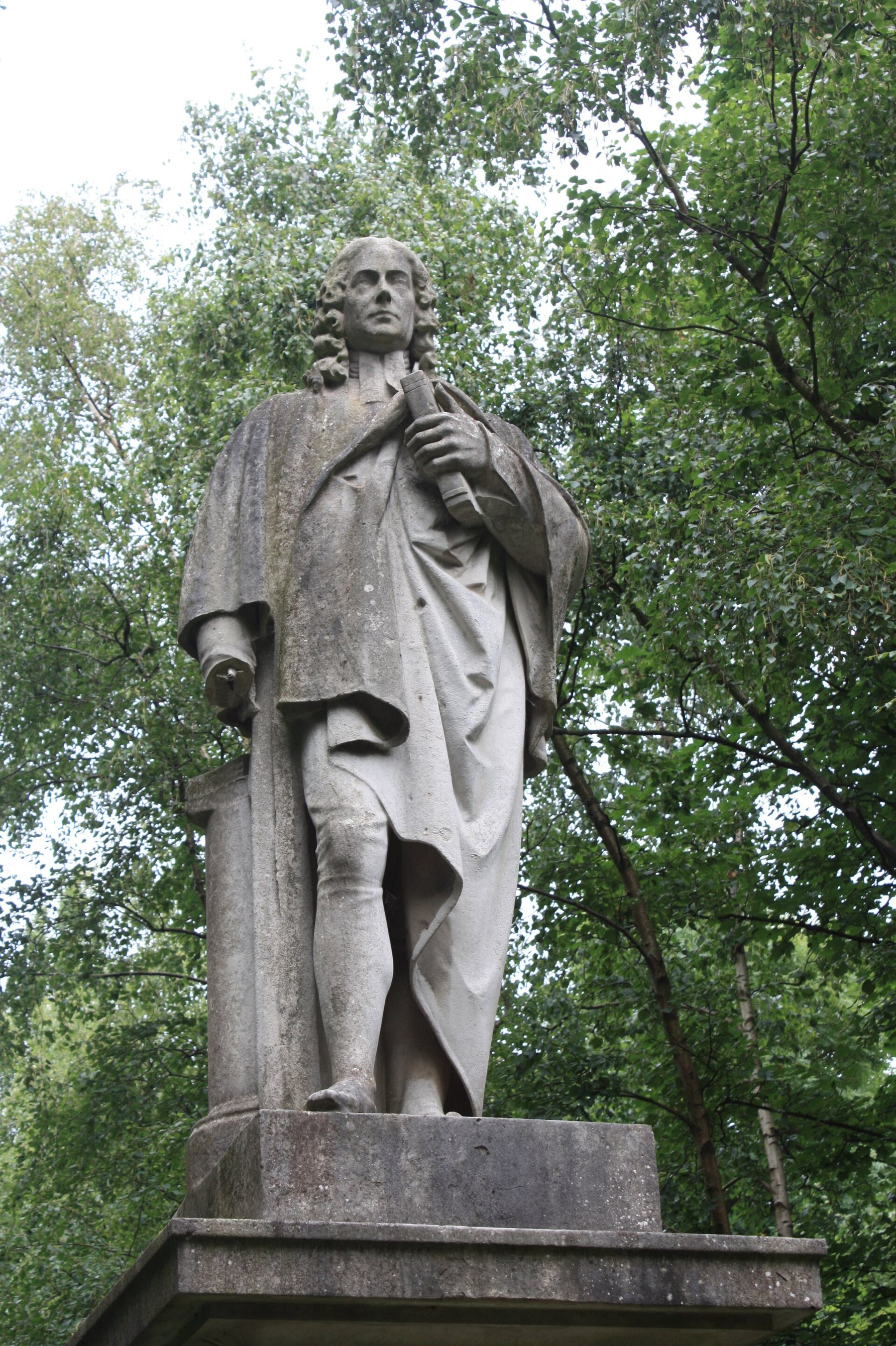 Photo: Stephencdickson, CC BY-SA 4.0, via Wikimedia Commons
A lion, a hymn-writer and the founder of the Salvation Army: reading Abney Park's monuments
Abney Park opened in 1840 as a cemetery and arboretum open to dissenters and anyone else. Its stones are a short course in Victorian London, if you take the Trust's route.
By Elizabeth Cole28 Nov2 min read
Read the story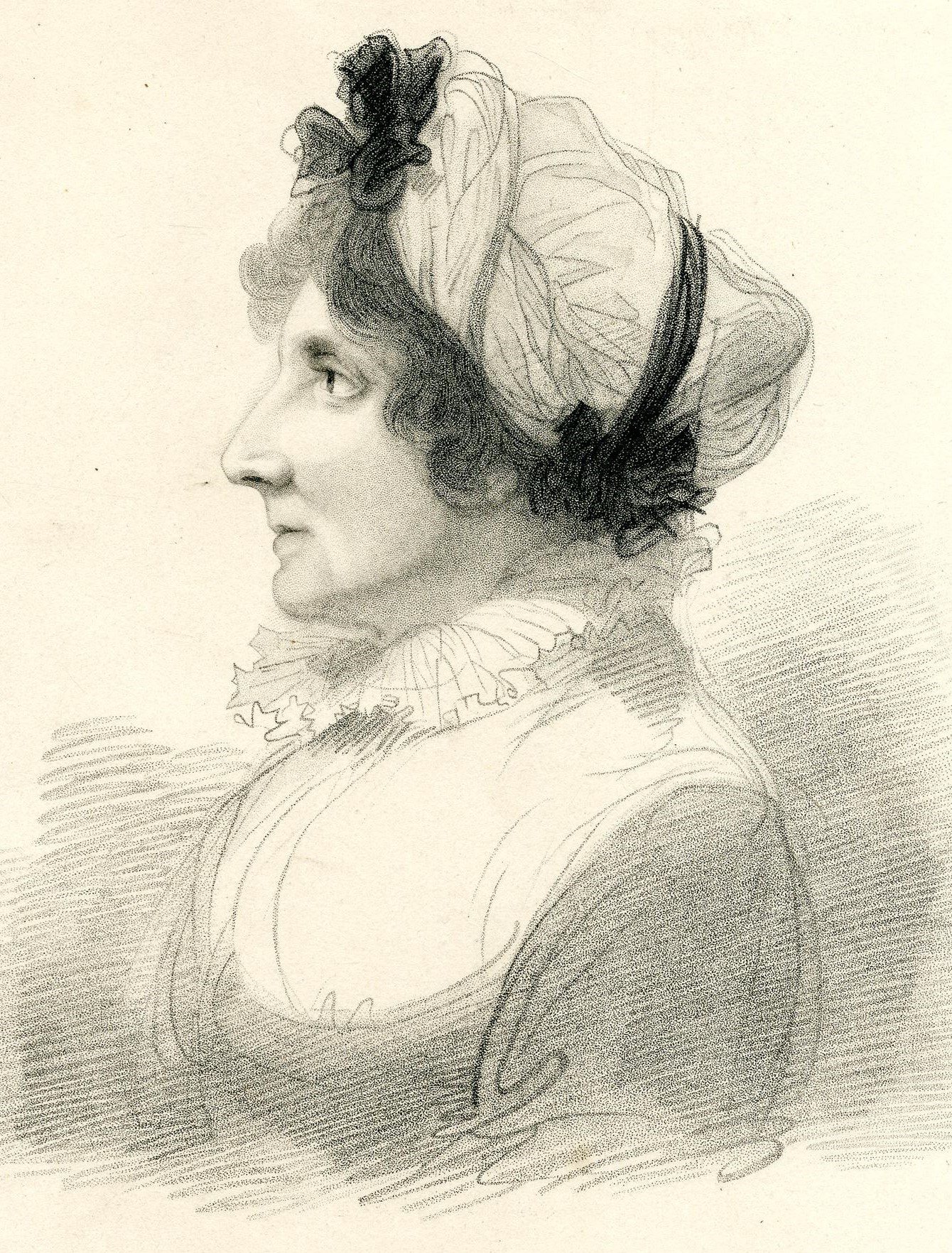 Photo: Henry Hoppner Meyer, 1822 (public domain), via Wikimedia Commons
Anna Laetitia Barbauld told Britain it was finished. Britain did not take it well
The poet lived at 113 Church Street from 1802 until her death in 1825. Her brother lived opposite. There she wrote Eighteen Hundred and Eleven, the poem that ended her public career and, two centuries later, rescued her reputation.
By Elizabeth Cole28 Nov2 min read
Read the story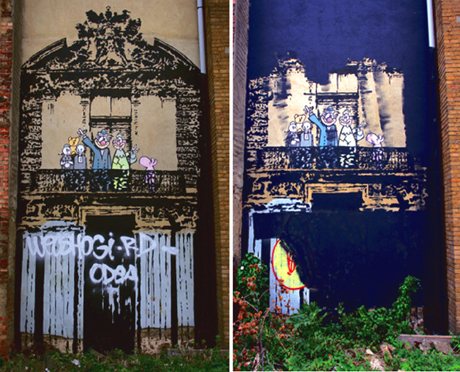 Photo: © 2009 The Hackney Citizen Ltd
Banksy painted a royal family on Church Street. The council's rollers got halfway
The mock royals went up with the owner's consent for a Blur single. In 2009 Hackney's graffiti contractors blacked out the bottom half before she could stop them. The top half is still waving.
By Elizabeth Cole28 Nov2 min read
Read the story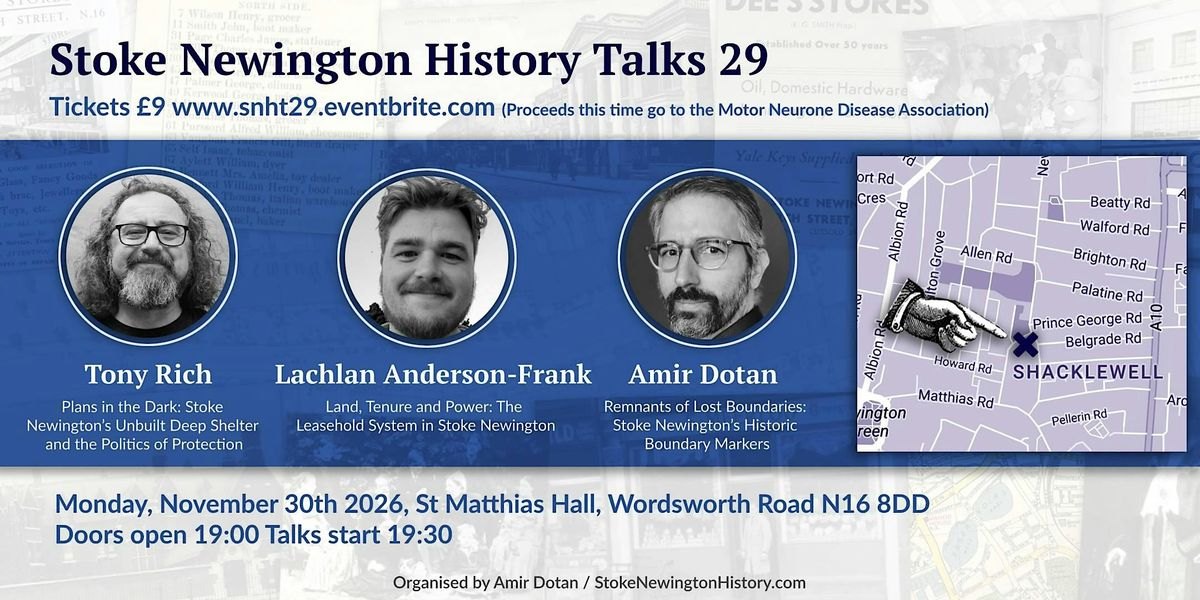 Photo: Stoke Newington History (Amir Dotan), event poster via Eventbrite
Lost borders, a shelter that never was, and who really owns Albion Road
Stoke Newington History Talks returns on Monday 30 November at St Matthias Halls, with three talks and a collection for the MND Association in memory of a Church Street electrician.
By Elizabeth Cole28 Nov2 min read
Read the storyNewsletter
Get the day's stories by email
One email, the day's pieces from N16. Unsubscribe anytime.
Privacy notice